

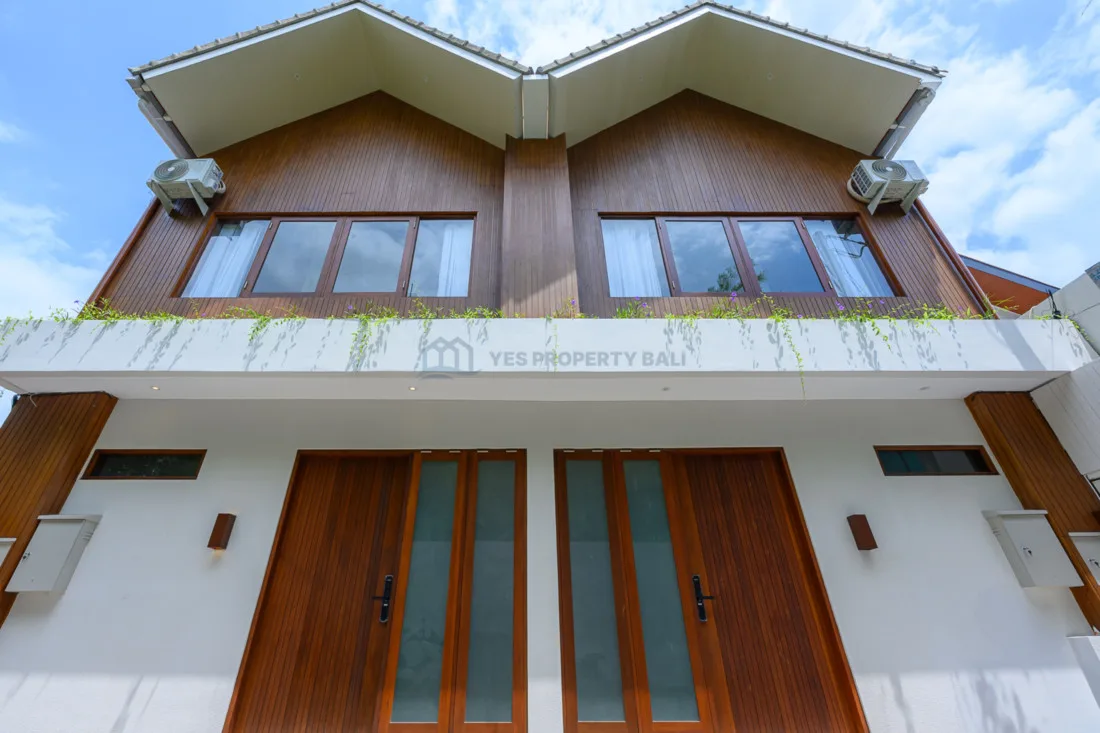
The Bali real estate industry has a marketing problem: the same handful of exaggerated claims get recycled across listing photos, Instagram reels, and broker pitches until they start to sound like consensus. They are not consensus. They are sales copy. Here is what the data and the legal reality actually support, stripped of the version designed to close a deal quickly.
The Truth About ROI Numbers
Villa listings routinely advertise 20 to 30 percent annual returns. A realistic net yield on a well-managed leasehold villa in a strong location sits closer to 7 to 12 percent once occupancy realities, management fees, platform commissions, and maintenance are accounted for — with professionally managed properties typically spending 35 to 45 percent of gross revenue on operating costs. The headline number is not fabricated so much as it is a best-case gross figure presented as a guaranteed net one. Ask any broker for their occupancy assumptions and fee structure before you ask about ROI; if they cannot produce both quickly, the ROI number is not built on anything.
The Truth About Freehold vs. Leasehold
Foreign nationals cannot hold freehold (Hak Milik) title directly under Indonesian law. Structures marketed as “freehold for foreigners” rely on nominee arrangements or corporate vehicles (PT PMA) that carry real legal exposure if not properly documented. For most individual investors purchasing a single villa, a straightforward, well-drafted leasehold agreement is not a compromise — it is the structurally sound, lower-risk option, and has a long track record of working as intended when the underlying contract and land certificate are verified.
The Truth About “Prime Location”
Every listing in Bali claims to be in a prime location. Proximity to a beach club is not the same as proximity to sustained rental demand, and neighborhoods with genuine, multi-year appreciation trends look different from neighborhoods experiencing a single season of hype. The corridors currently showing the steepest year-over-year transaction growth — areas like Cemagi, Munggu, and the wider Mengwi corridor — are not the ones with the loudest marketing. They are the ones with the underlying infrastructure and demand data to support it.
The Truth About Legal Due Diligence
The single most common failure point in Bali property transactions is not a bad location or a weak villa design — it is buyers skipping independent verification of land certificates, zoning status, and lease terms because the deal felt time-sensitive. A trustworthy agency does not discourage this step; it builds it into the transaction by default. This is precisely why Yes Property Bali maintains an exclusive legal partnership with Xokei Global Indonesia — asset security is the baseline we operate from, not an upsell.
The Bottom Line
Real estate Bali is a genuinely strong long-term market. It does not need inflated numbers to make its case, and buyers who insist on the realistic version of every claim — realistic yield, realistic legal structure, realistic location trajectory — end up with better outcomes than buyers chasing the version built for a landing page. If you want the unvarnished numbers on a specific villa for sale, our team will walk through them with you before you commit capital.


Join The Discussion